


Two green medical containers delivered to Ukraine
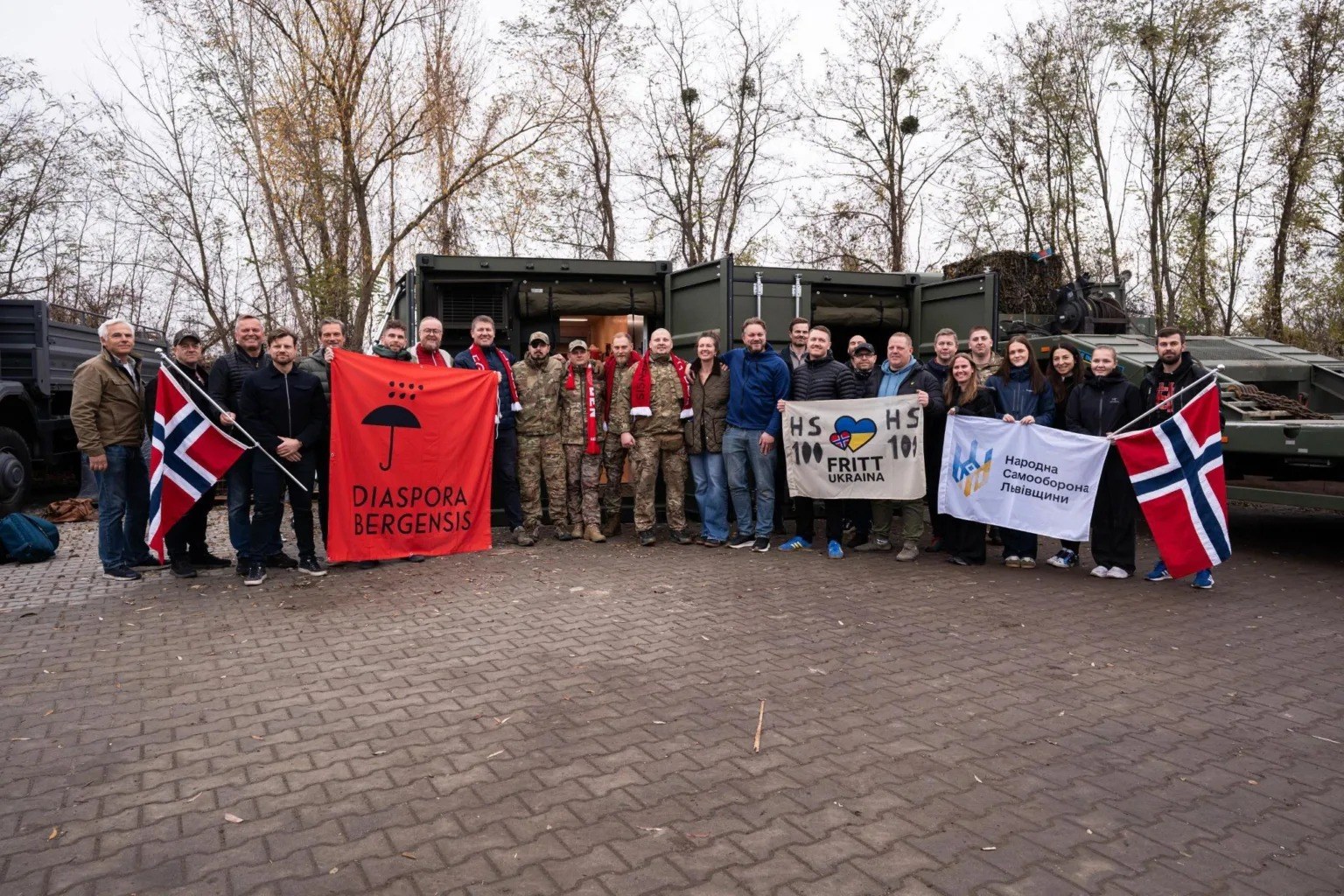
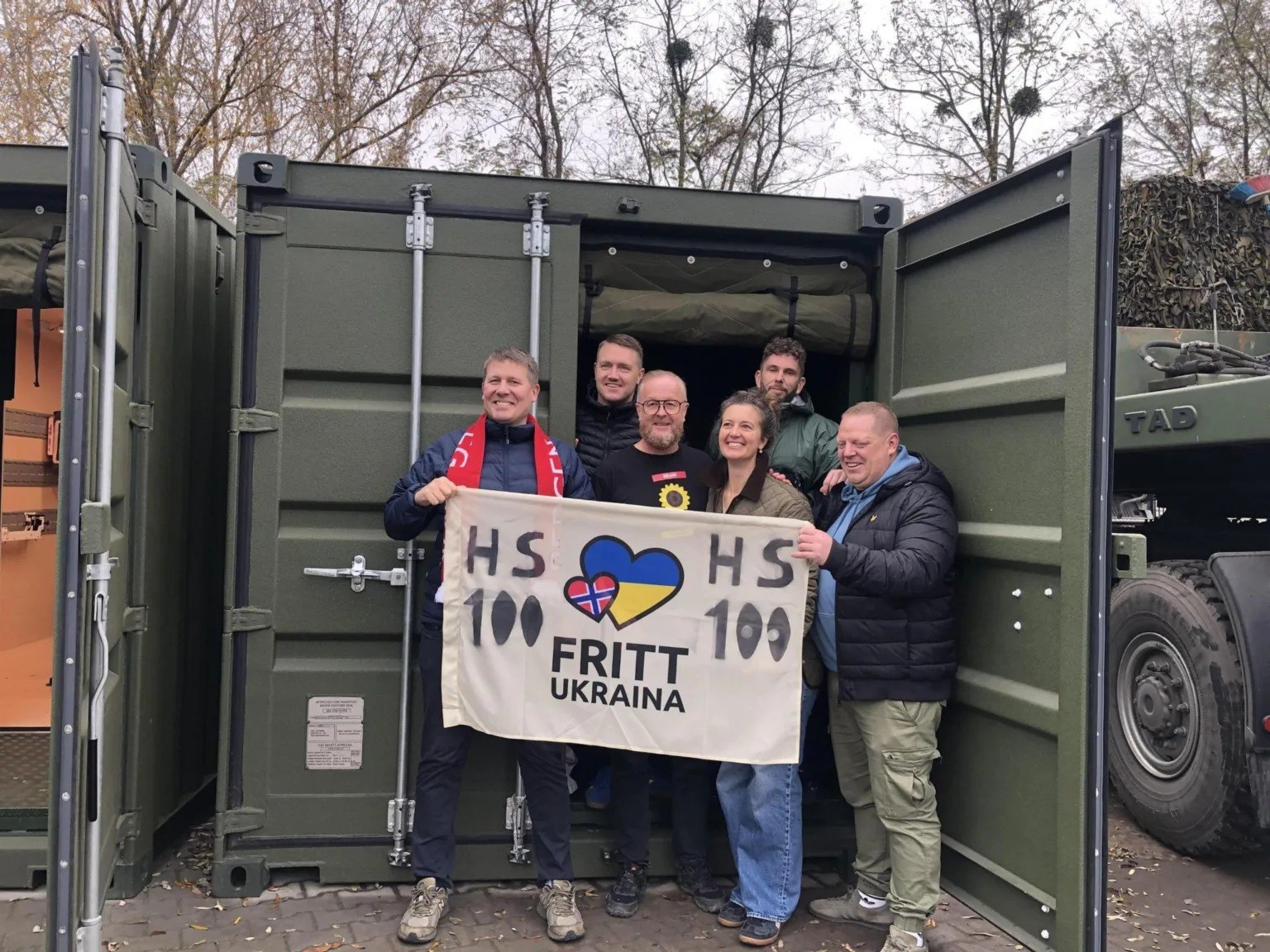
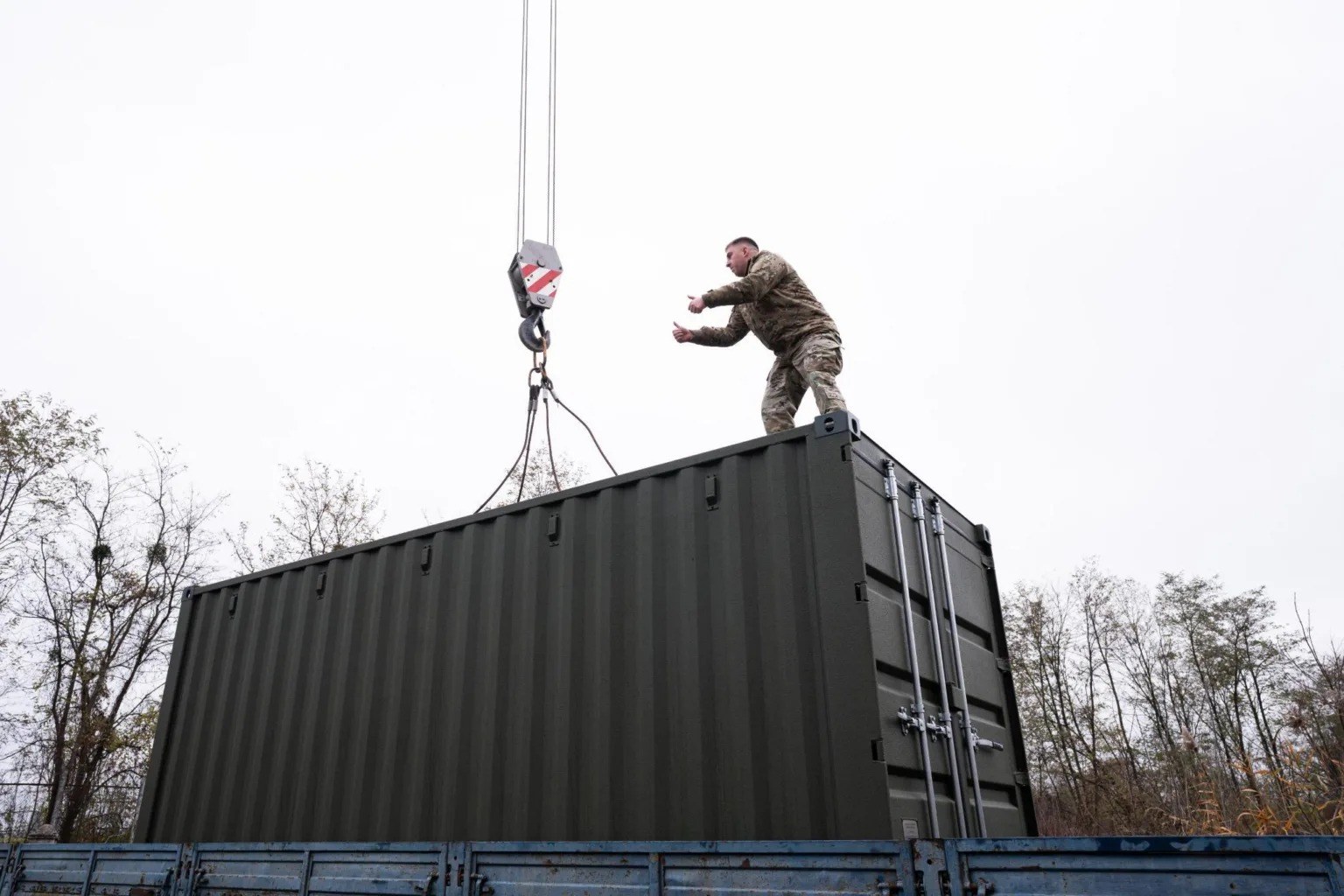
Two green, low-signature medical containers have been delivered to Ukrainian forces as part of a major humanitarian and defence-support effort. Developed in Bergen and financed through Norwegian civil engagement and foundations, both units were procured directly by the Ukrainian armed forces and delivered as part of Fritt Ukraina’s 100th official shipment to Ukraine.
The containers are designed to provide protected, front-proximate medical and surgical capability in an environment where traditional field hospitals and visible structures are routinely targeted.
Photos: Fritt Ukraina

A quiet morning in Lviv
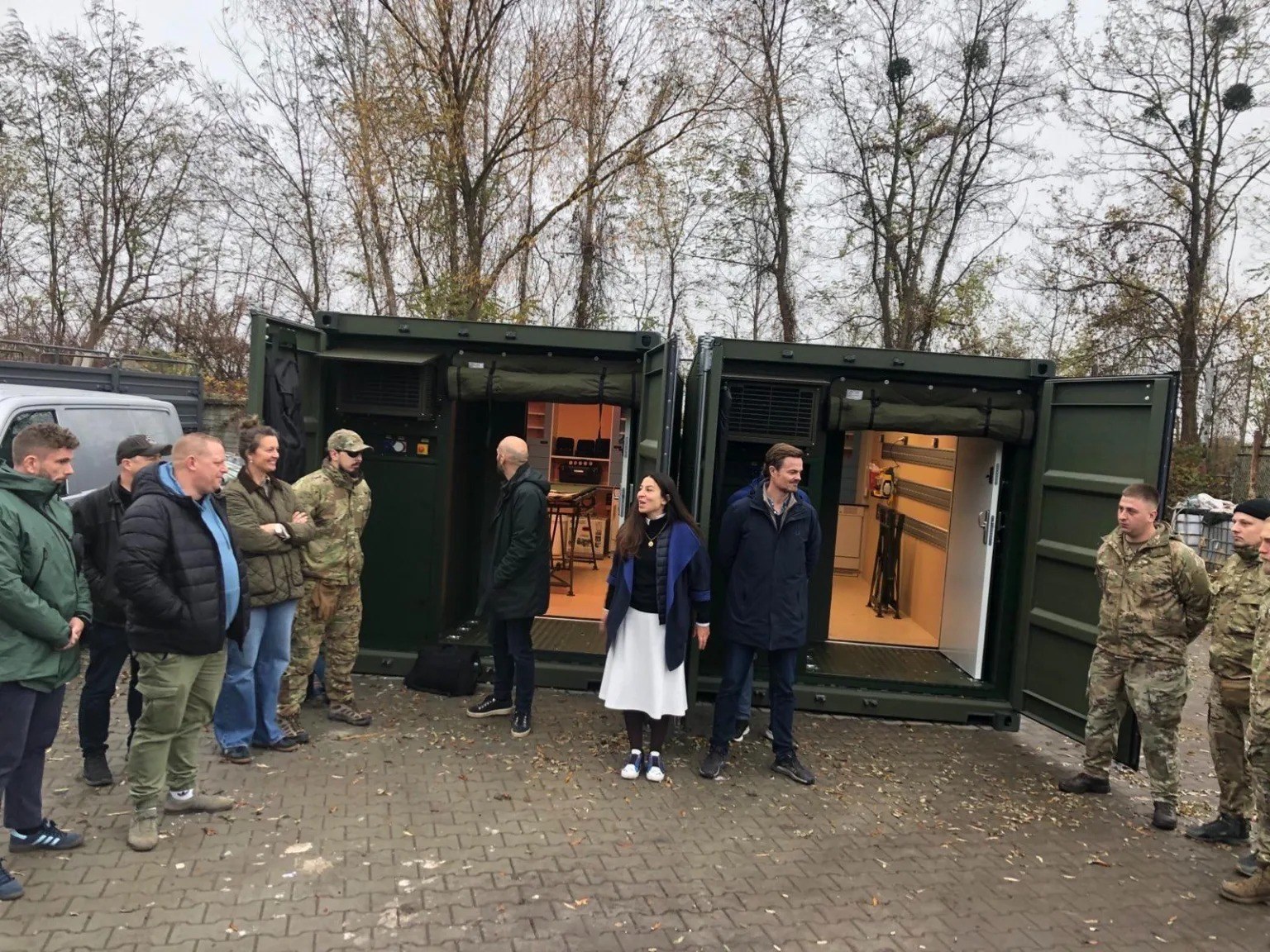
The handover took place on a quiet morning on the outskirts of Lviv. Two unmarked, matte green steel containers stood on a parking area away from the city centre. Their anonymity is deliberate. In modern warfare, anything visible in open terrain risks becoming a target.
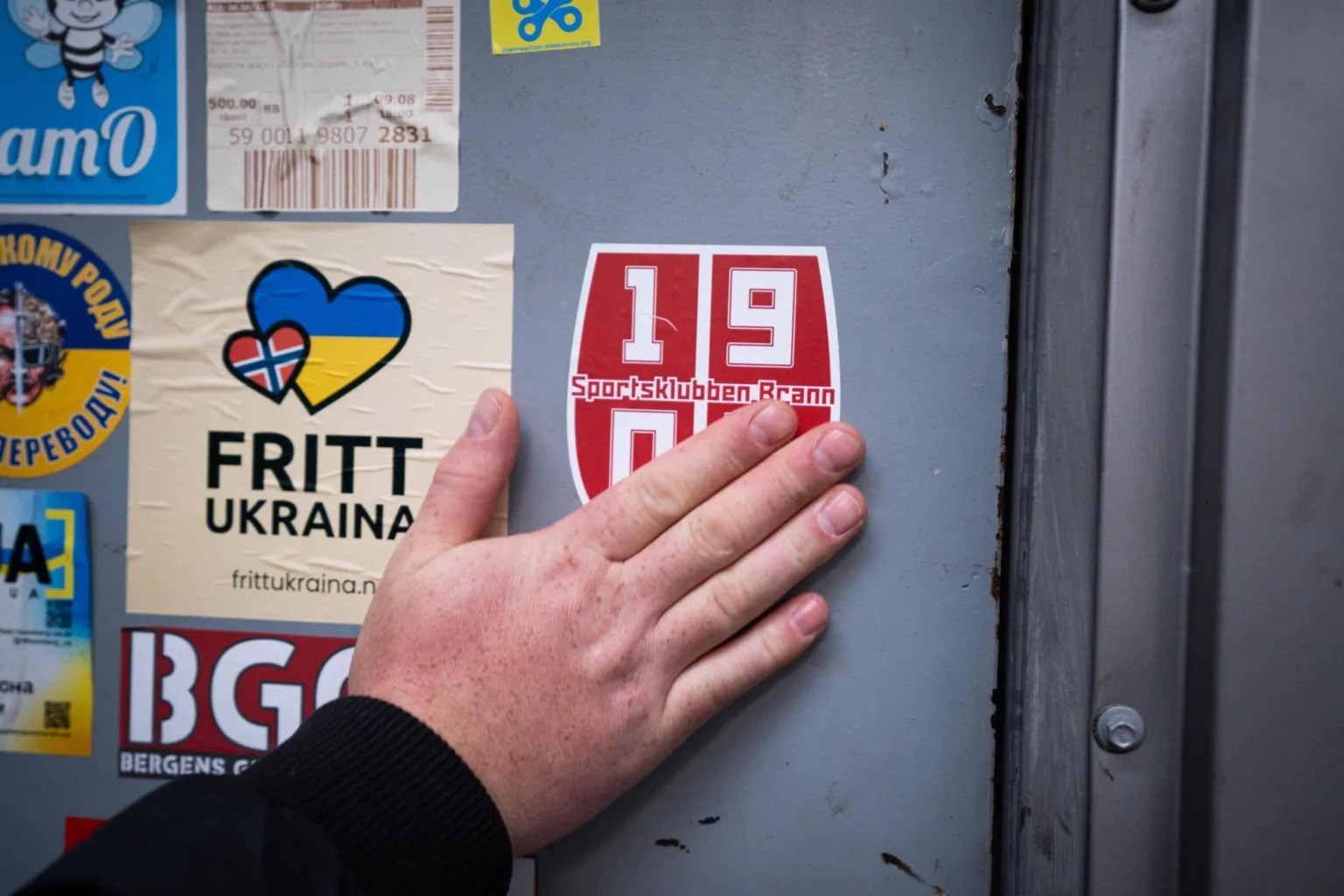
One unit was financed through Brann for Ukraina, a supporter-driven initiative originating in Bergen. The second was funded by the Leif and Lucy Høegh Foundation. Together, they represent a rare combination of grassroots engagement, private philanthropy, and direct military need.
For Fritt Ukraina, the delivery marked a milestone. One hundred shipments of life-saving equipment have now reached Ukraine, driven entirely by voluntary effort and public support.
From closed doors to a fully operational clinic
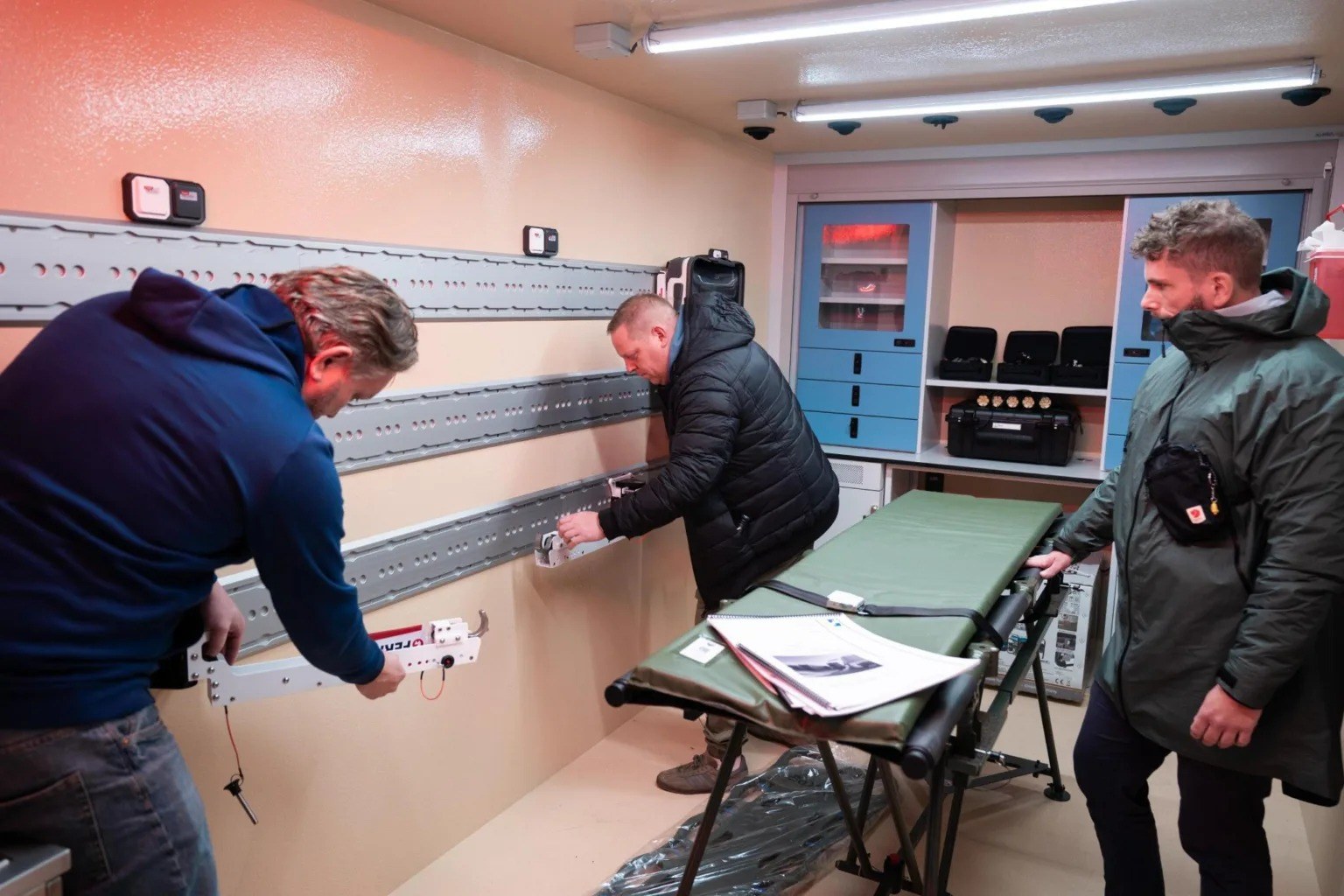
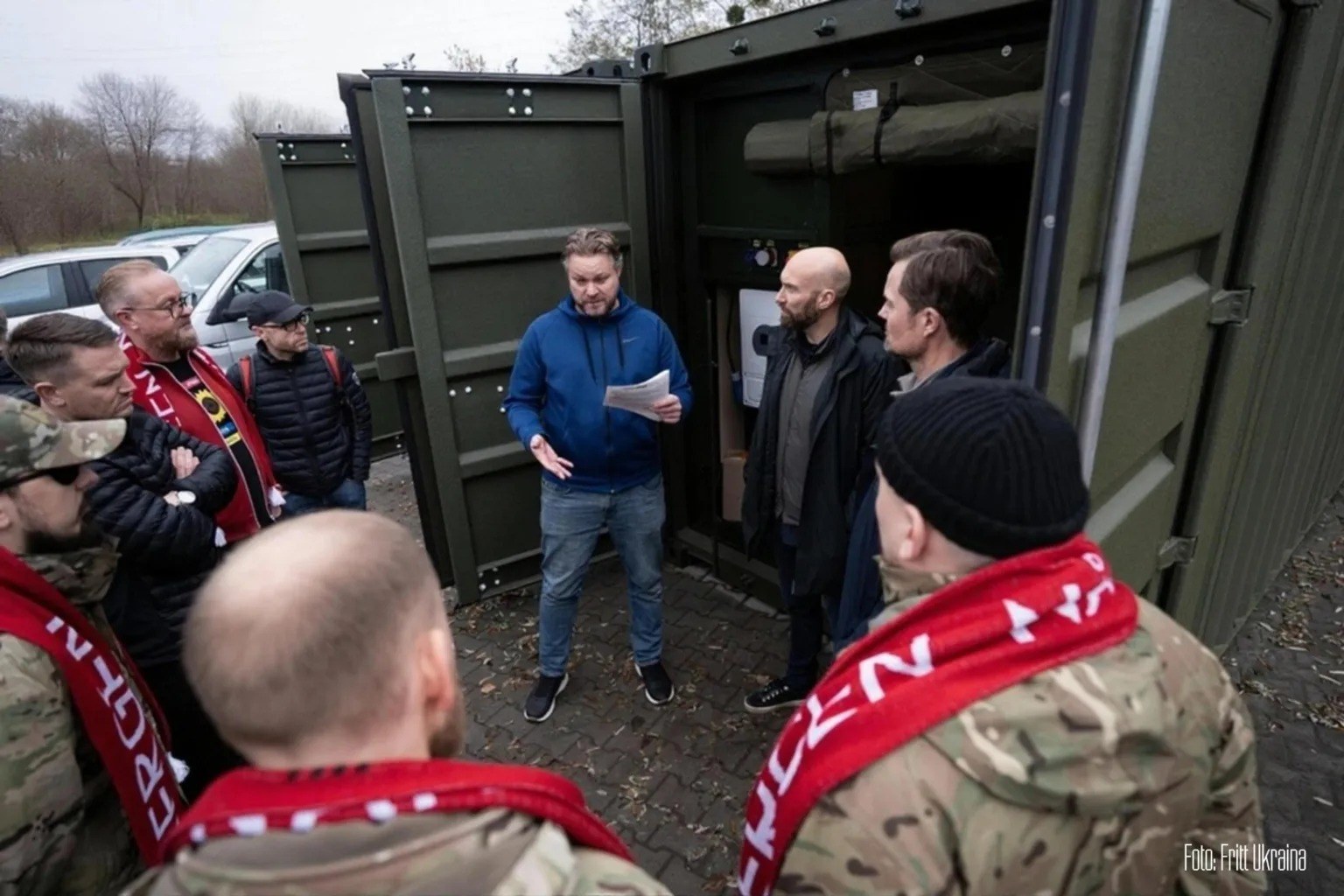
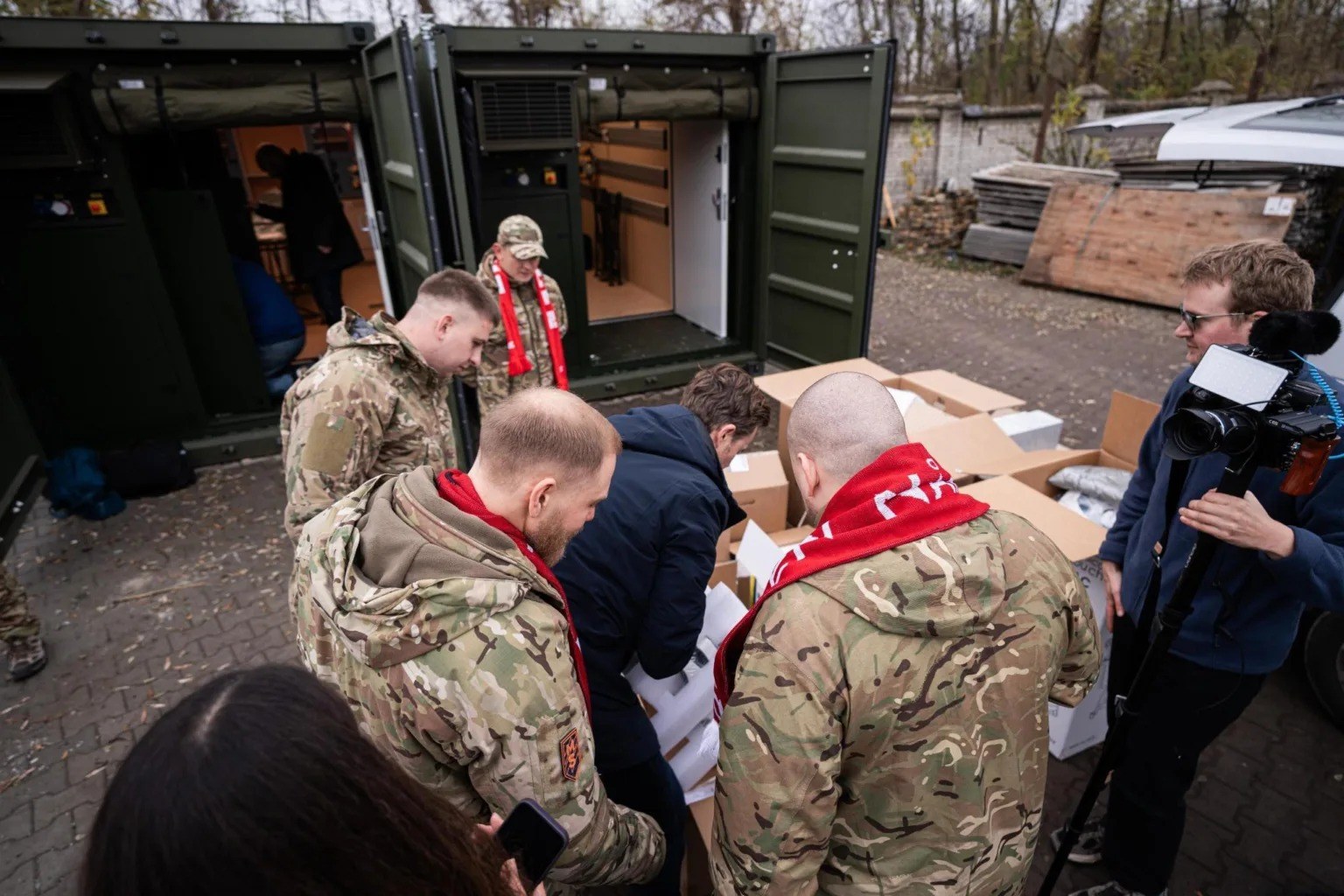
When the container doors were opened, the contrast was immediate. Inside, the units revealed fully equipped surgical and emergency treatment environments. High-intensity surgical lighting illuminated shock-resistant cabinets already stocked with instruments. Power, ventilation, air filtration, and medical systems were live and operational.
These units are FLEXIPOD Clinic medical containers: mobile, military-grade field hospitals developed in Norway, refined through NATO exercises, and now deployed for the first time directly to frontline use in Ukraine.
With drones, artillery, and precision weapons making tent-based field hospitals untenable, Ukrainian medical personnel increasingly require hardened, concealed treatment facilities.
For frontline medics, time is the critical factor. Transport from the point of injury to rear-area hospitals can take many hours, sometimes more than a day. These containers allow treatment to move closer to the wounded, dramatically reducing the time from injury to surgical care.
From supporter initiative to operational capability
The project behind this delivery began far from the battlefield. What started as an idea among football supporters during an away match evolved into a structured fundraising effort. Small contributions, symbolic merchandise, and broad community engagement were matched, krone for krone, by institutional partners working together with Fritt Ukraina.
What united all contributors was a shared understanding: support does not always have to come from governments or large programmes. Civil society, when organised and focused, can deliver real operational capability.
Norwegian technology designed for frontline conditions
The FLEXIPOD Clinic is developed by Podtown in close cooperation with Ferno Norden Military Systems. Originally experienced in modular structures, Podtown adapted its technology to meet the realities of modern high-intensity conflict.
Together, the teams developed a container-based medical unit with ballistic protection, fragmentation resistance, low visual signature, and autonomous operation. The units can be deployed within minutes, operate independently for several days, and be concealed or dug in for increased protection.
Inside, the containers function as complete medical and surgical systems. Despite their external simplicity, they are designed to withstand blast effects, extreme temperatures, and repeated relocation under combat conditions.
Immediate deployment to the frontline
Following the handover in Lviv, the response from Ukrainian medical units was immediate. The containers were sealed, loaded, and dispatched towards the frontline without delay.
For the receiving units, the value was clear. Even saving a single life justifies the effort and investment. For those involved in the delivery, seeing the containers move directly into operational use underscored both the urgency and the impact of the project.
Two containers from Bergen are now moving into some of the most contested areas of the conflict. They are not symbols. They are working medical assets.
The work continues
As the convoy departed and silence returned, the significance of the moment remained. These deliveries demonstrate what is possible when industry expertise, voluntary engagement, and operational military needs are aligned.
For Ferno Norden Military Systems, the project reinforces a core principle: medical capability must be protected, mobile, and designed for the realities faced by those operating closest to danger. This delivery is not an endpoint, but part of an ongoing effort to support life-saving capacity where it is needed most.